
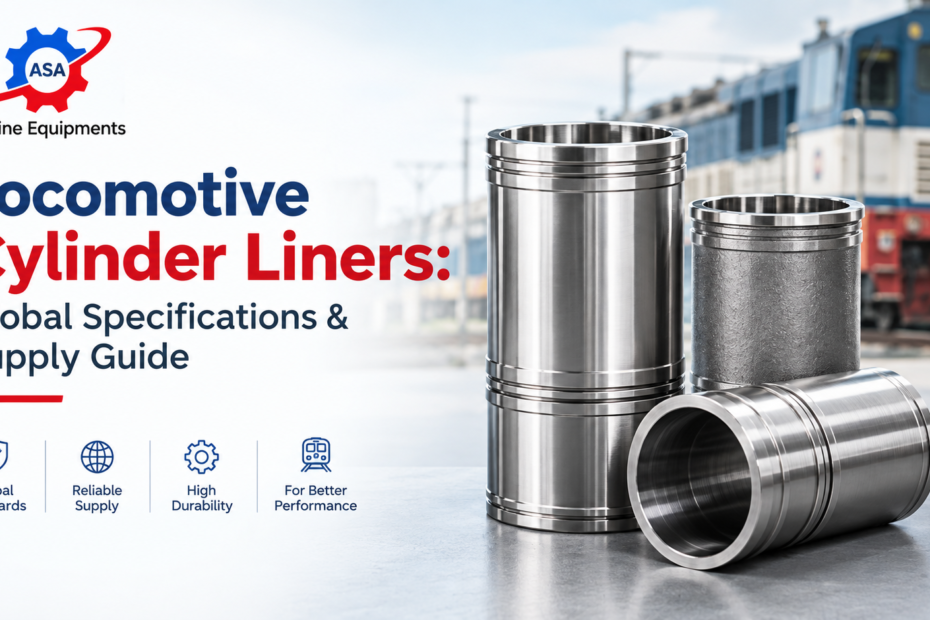
Locomotive cylinder liners are a critical component in diesel engine cylinders. They form the wear surface the piston moves within during each combustion cycle. They protect the engine block from direct wear, heat, and pressure. This makes them essential to engine longevity and performance. For railroad operators, rebuilders, and maintenance teams sourcing parts globally, understanding locomotive cylinder liners matters. Knowing their types, specifications, and supply considerations keeps fleets running reliably across any region.
This guide covers everything you need to know about locomotive cylinder liners. We’ll look at their function and how to source them through a global supply network.
What Are Locomotive Cylinder Liners?
Locomotive cylinder liners are cylindrical sleeves inserted into the engine block. They create the surface against which the piston rings seal and slide. This design allows for easier engine rebuilding. A worn liner can be replaced without machining or replacing the entire engine block.
Locomotive cylinder liners also help with heat dissipation. Many designs include cooling passages or direct contact with coolant. This manages the extreme temperatures generated during combustion.
EMD, ALCO, and GE engine platforms each use different bore sizes and liner designs. Sourcing the correct liner for a specific engine series is essential. This ensures proper compression and sealing.
Types of Locomotive Cylinder Liners
Wet Liners
Wet liners have their outer surface in direct contact with engine coolant. This provides efficient heat transfer. The design is common in many locomotive diesel engines. It offers superior cooling performance. However, it requires precise sealing. This prevents coolant leakage into the crankcase.
Dry Liners
Dry liners sit inside the engine block without direct coolant contact. They rely on the block itself for heat dissipation. These liners are typically thinner. They offer a tighter fit. This design is often used where block rigidity matters more than direct cooling.
Flanged and Flangeless Liners
Flanged liners include a lip at the top. This seats against the engine block. It provides secure positioning and easier installation. Flangeless liners rely on a press-fit or other retention method. These are used in specific engine designs where a flange isn’t practical.
Technical Specifications to Consider
When selecting or replacing locomotive cylinder liners, check these specifications:
- Bore diameter – Must precisely match the piston and ring set for proper sealing.
- Material grade – Centrifugally cast iron is common. It offers wear resistance and uniform grain structure.
- Wall thickness – Affects heat dissipation and structural durability under pressure.
- Surface finish – Honing pattern impacts oil retention and ring seating.
- Coolant sealing design – Critical for wet liners. It prevents leakage between the coolant jacket and combustion chamber.
Choose locomotive cylinder liners that meet OEM specifications and international quality standards. This ensures consistent compression and reliable engine performance.
Common Signs of Cylinder Liner Wear
Loss of Compression
Worn or scored cylinder liners often cause reduced compression. This leads to power loss. Engine performance becomes rough across affected cylinders.
Increased Oil Consumption
As liner surfaces wear, piston rings can’t seal effectively. Oil passes into the combustion chamber and burns off. This results in noticeable oil consumption increases.
Coolant Contamination
In wet liner designs, seal degradation can occur. Coolant may enter the combustion chamber or crankcase. This is a serious issue requiring immediate attention.
Unusual Engine Noise
Piston slap or knocking sounds can occur. They indicate excessive clearance between a worn liner and piston. This signals it’s time for inspection and likely replacement.
Global Supply and Sourcing of Locomotive Cylinder Liners
Sourcing reliable locomotive cylinder liners matters most for operators managing fleets across countries and climates. Our strength lies in the engineering and manufacturing capabilities of several QMS-certified companies. We represent them for the export of locomotive parts. This network lets us support railroad operators with consistent, high-quality components. This holds true regardless of where their locomotives are in service.
We can also supply obsolete, hard-to-source, or discontinued cylinder liners through reverse engineering. This ensures operators aren’t left without options. It applies even when a part is no longer in standard production. For fleets running older or less common EMD, ALCO, or GE engine variants, this capability matters. It can significantly reduce downtime from unavailable parts.
Maintenance Practices to Extend Liner Life
Regular Coolant System Monitoring
For wet liners, maintain proper coolant quality and flow. This prevents cavitation erosion. It’s one of the most common causes of premature liner failure.
Proper Piston Ring Break-In
Follow correct break-in procedures for new piston rings. This helps establish proper seating against the liner surface. It reduces long-term wear.
Routine Bore Inspection
Measure liner bore diameter periodically. This helps catch wear trends early. It allows for planned replacement before performance is significantly affected.
Using OEM-Equivalent Components
Pair locomotive cylinder liners with properly matched piston rings and gaskets. This ensures the sealing system works as designed. It extends overall engine life.
Why Quality and Global Availability Matter
Locomotive engines operate continuously under demanding conditions. Cylinder liners bear direct exposure to combustion heat, pressure, and friction. Substandard materials or imprecise manufacturing cause problems. Premature wear, compression loss, or coolant contamination can result.
This is why operators across the USA, Europe, Australia, and beyond choose carefully. They rely on suppliers capable of delivering precision-engineered locomotive cylinder liners on a global scale. Proper quality certifications and engineering support back this up.
Conclusion
Locomotive cylinder liners are essential to maintaining proper compression, sealing, and heat management. This applies within a diesel locomotive engine. Understanding their types, specifications, and global supply considerations helps railroad operators. It keeps fleets reliable, wherever in the world they operate.
Partner with a supplier offering strong engineering support. Look for QMS-certified manufacturing and reverse engineering capabilities for hard-to-source parts. This ensures your locomotive cylinder liners are always available — even for older or discontinued engine models.